

Strengthening Malaysia’s Financial Integrity: A Decade of Progress, A Path Forward
A reflection on the 2025 Mutual Evaluation Report and Malaysia’s AML/CFT/CPF reform journey since 2015
Foreword
The integrity of Malaysia’s financial system underpins national prosperity, broadens economic opportunity, and serves as a public good for all Malaysians. It matters to small business owners who depend on accessible banking services, to families planning for the future, and to workers whose wages flow through the same channels that sophisticated criminals seek to exploit. When the financial system is weakened by money laundering, terrorism financing, and proliferation financing (ML/TF/PF), the effects are felt widely. Transaction costs may increase, trust in financial institutions may weaken, and capital may become more volatile. Over time, these pressures can slow growth and make the financial system less inclusive.
In this context, the publication of Malaysia’s 2025 Mutual Evaluation Report (MER) by the Financial Action Task Force (FATF) and the Asia/Pacific Group on Money Laundering (APG) is especially significant. The MER provides a comprehensive and credible assessment of Malaysia’s measures against illicit finance. It is based on more than sixteen months of intensive review, including a three-week onsite visit in February 2025, over seventy meetings with public authorities, and discussions with forty-five private sector entities. This assessment assesses hundreds of documents, statistics, and case studies submitted to the review team. The findings in the MER have been peer-reviewed by international experts and debated at the FATF Plenary, giving them global credibility.
The 2025 MER does two things. First, it records what Malaysia has achieved since its previous evaluation in 2015. Second, it makes clear what still remains to be done. Both deserve close public attention.
This document aims to support that understanding. It is written for members of the public who wish to understand what the MER says. It is also for professionals who work with Malaysia’s anti-money laundering, counter-terrorism financing, and counter-proliferation financing (AML/CFT/CPF) framework. In addition, it is meant for policy stakeholders who will help shape the response to the MER’s recommendations in the coming years. This document draws on the official 2015 and 2025 MERs, supported by publicly available information on Malaysia’s efforts during the period between these reports.
Introduction: FATF and Mutual Evaluation (ME)
The FATF is an intergovernmental body that works to protect financial systems and the global economy from the threats of ML/TF/PF. It does this by setting international standards for AML/CFT/CPF and by assessing how well its member countries apply them. One key tool to achieve this is the Mutual Evaluation (ME). The ME is a peer‑review assessment that looks at how well a country prevents and combats ML/TF/PF. It examines two broad areas:
- Whether the country has the appropriate laws, systems, and enforcement in place, commonly known as the 40 Recommendations (see Figure 1); and
- How effectively the country implements measures to combat ML/TF/PF, commonly known as the 11 Immediate Outcomes (IOs) (see Figure 2).
As a member of both the FATF and the APG, Malaysia is required to undergo mutual evaluation. The results shape a country’s reputation, influence investor confidence, and affect the ease and cost of doing business. A strong outcome sends a reassuring signal: that the country is safe, transparent, and well regulated. Weak performance, by contrast, may carry consequences. A country that falls short of FATF Standards may be placed on the list of Jurisdictions under Increased Monitoring (the “grey list”) or designated as a High-Risk Jurisdiction (the “black list”).
Grey-listing typically leads to stricter scrutiny and more limited international banking relationships. This may increase the cost and complexity of international transactions, disrupt supply chains, and make imports more expensive — costs that are often passed on to consumers. Businesses may also face reduced access to foreign markets, financing, and investment. Black-listing has more severe consequences. Other countries may impose stringent measures, financial transactions may be restricted, and global banks may avoid dealing with the country altogether. In practical terms, these lists do more than assess rules: they can directly affect a country’s economy and its ability to connect to the global financial system.
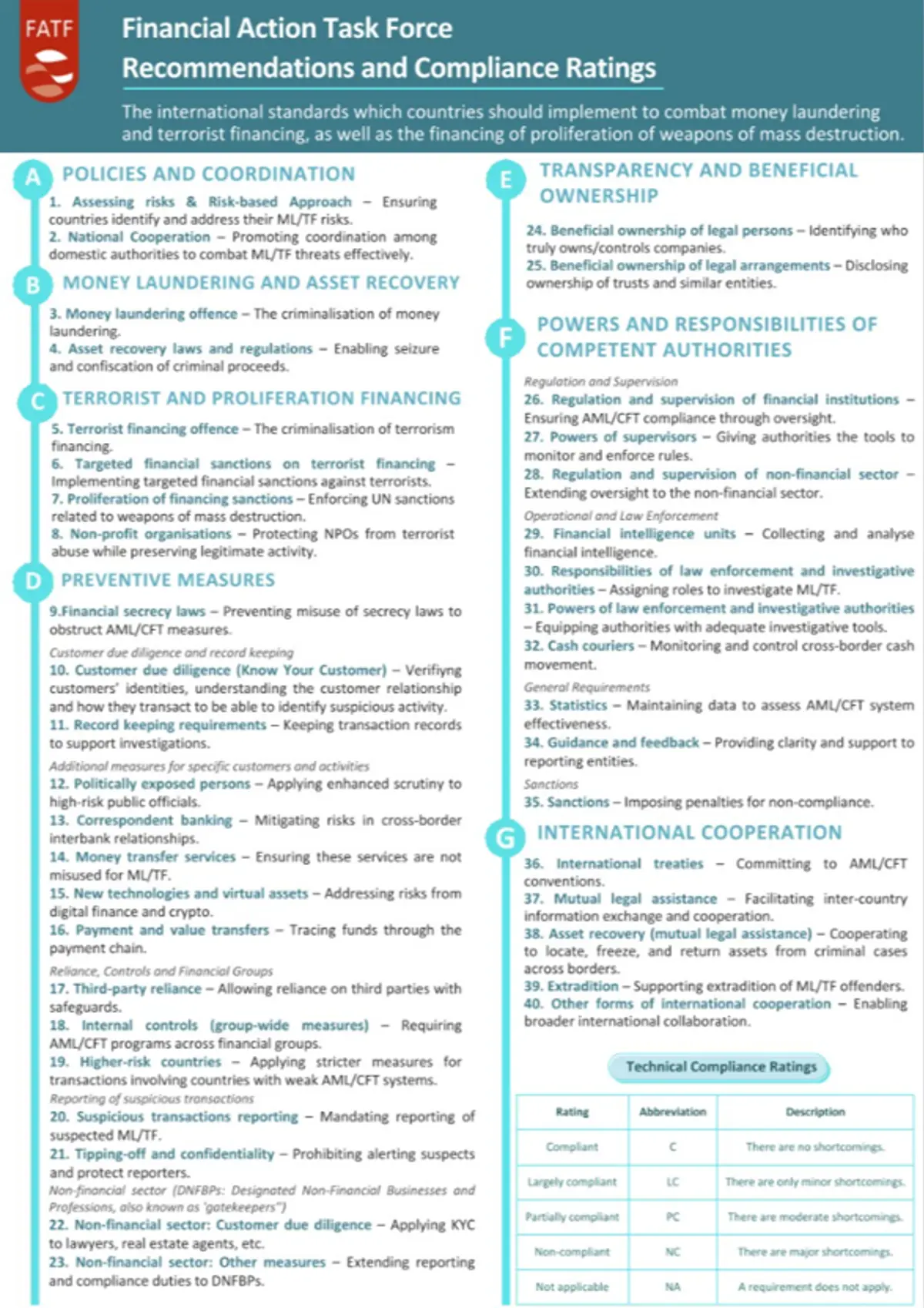
Figure 1: FATF 40 Recommendations Reference
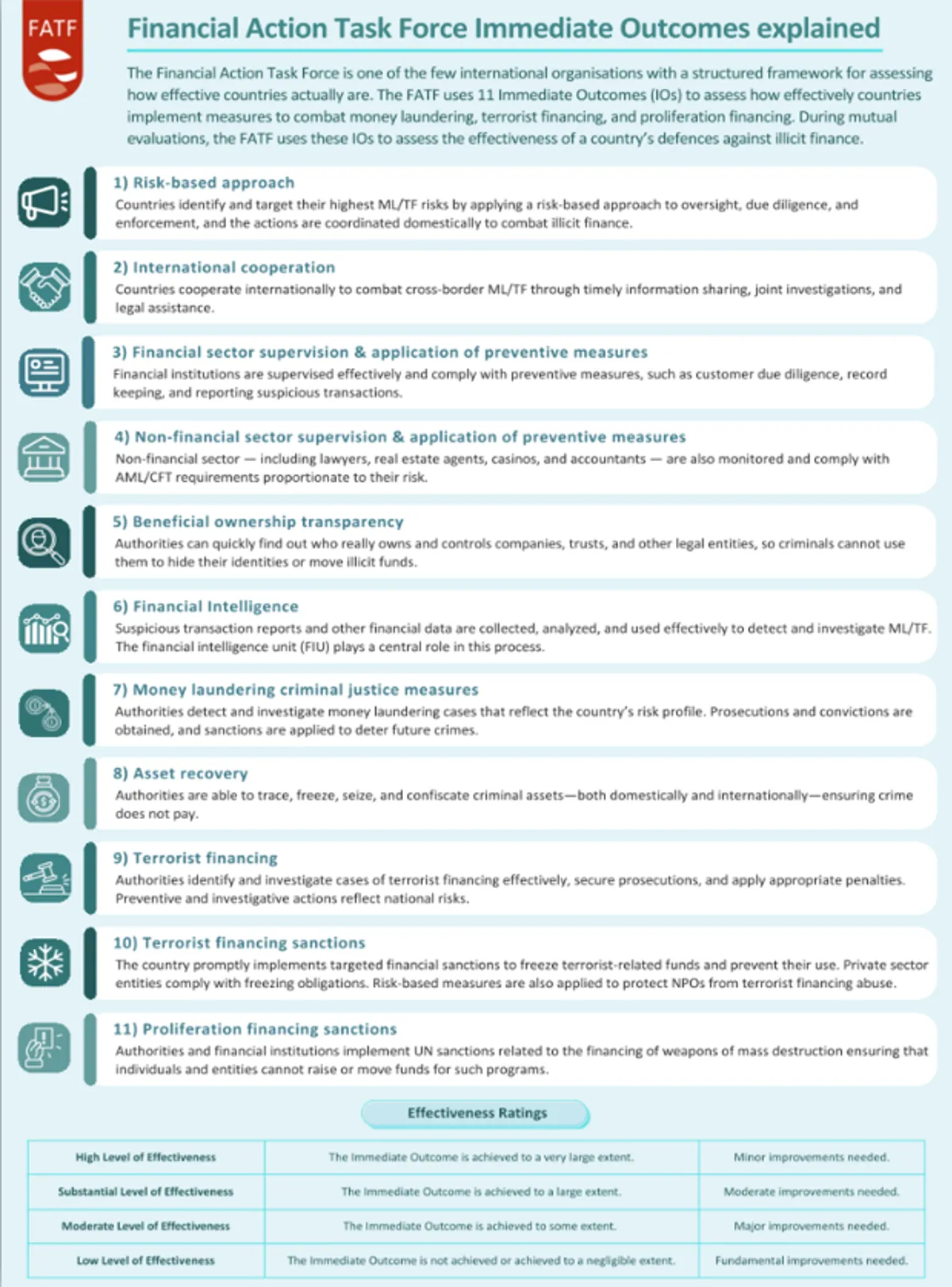
Figure 2: FATF 11 Immediate Outcomes Reference
Part One: Where Malaysia Stood in 2015
To understand the progress of the past decade, it is necessary to begin with a clear view of Malaysia’s starting point. The 2015 MER, adopted by the APG in July that year and accepted by FATF for Malaysia’s FATF membership in 2016, found that Malaysia’s AML/CFT framework was broadly sound in design but uneven in its implementation.
The Anti-Money Laundering, Anti-Terrorism Financing and Proceeds of Unlawful Activities Act 2001 (AMLA) formed the base of Malaysia’s AML/CFT regime. The country had ratified key international conventions and set up legal frameworks for international cooperation through bilateral treaties and other instruments. It also had in place strong supervisory powers and a functioning Financial Intelligence Unit (FIU). The main institutional elements were largely in place in 2015.
However, achieving the intended outcomes proved more challenging. The 2015 assessors observed that financial intelligence was not used consistently by law enforcement agencies (LEAs). The number of ML investigations was relatively modest and concentrated on lower-value cases. ML prosecutions and convictions were limited, and key risk areas showed clear gaps. For example, there were no ML prosecutions linked to drug trafficking or tax offences, and only nine ML prosecutions related to corruption (six) and goods smuggling (three) since 2009. Sanctions for ML were also not shown to have a clear deterrent effect. Meanwhile, Malaysia’s emphasis on security intelligence — through monitoring, disruption, and prevention — had not resulted in any TF prosecutions or convictions.
While Malaysia had an adequate legal framework for international cooperation, its use did not fully reflect Malaysia’s risk profile. Between 2009 and 2013, only two outgoing Mutual Legal Assistance (MLA) requests related to ML were made. For a jurisdiction recognised as a regional financial hub with cross-border exposures, the level of international engagement was insufficient.
Beneficial ownership transparency was identified as an area requiring improvement. Bearer share warrants were not expressly prohibited for Labuan companies. Nominee arrangements lacked transparency. At the time, Malaysia had yet to establish an effective mechanism to ensure that beneficial ownership information was adequate, accurate, kept up-to-date and could be obtained in a timely manner. Recommendations 24 and 25 of the FATF Standards — both relating to legal persons and legal arrangements — were rated as Partially Compliant. This reflected both the gaps identified at the time and the subsequently evolving requirements of international standards.
The Labuan International Business and Financial Centre (IBFC) also received specific observations. The 2015 assessors observed that supervision in Labuan did not fully reflect the unique risk profile of the offshore jurisdiction.
Overall, the 2015 MER placed Malaysia under “Enhanced Follow-Up”. The FATF uses this status to indicate that the country’s financial crime defences required sustained, monitored improvement. This was not a grey-listing, and Malaysia was not subjected to the public statements that accompany the most serious deficiencies. But the message was clear: while Malaysia had built good foundations of an AML/CFT framework, the level of effectiveness achieved did not yet meet international standards expectations.
The 2015 assessment was both a reflection and a guide for future reforms. The Government, through the National Coordination Committee to Counter Money Laundering (NCC)[1] and the agencies represented within it, accepted the findings and committed to a sustained programme of reform.
Part Two: A Decade of Reform
The decade between the two MEs was marked by sustained institutional reform. Legislative, regulatory, and operational changes reached across all key components of Malaysia’s AML/CFT/CPF framework.
Progress over the decade was most evident in the strengthening of Malaysia’s legal framework. The AMLA was amended to address gaps identified by the 2015 assessment and to align with evolving FATF Standards. The Penal Code was amended to enhance the criminalisation of predicate offences linked to financial crime. A corporate liability offence was introduced in the Malaysian Anti-Corruption Commission (MACC) Act 2009. This change improved the ability to prosecute legal persons involved in financial crime. The Companies Act 2016 introduced comprehensive beneficial ownership reporting requirements. The Trustee (Amendment) Act 2025 and the Trustees (Incorporation) Amendment Act 2025 extended the beneficial ownership framework to legal arrangements, addressing one of the most persistent residual gaps from 2015. Overall, the strengthening of the legal framework marked an important expansion of the tools available to address complex corporate financial crimes.
Alongside legal reforms, the institutional framework was also strengthened. The NCC, which serves as the apex coordinating body for AML/CFT/CPF policy in Malaysia, was restructured to improve its effectiveness. Its subcommittees were refined to focus on specific priority areas. The relationship between the NCC and operationally focused bodies was also clarified. These bodies include the Jawatankuasa Sekatan Kewangan Bersasar Bagi Pencegahan Pembiayaan Keganasan (JK TFS-TF) and the Strategic Trade Action Committee (STAC). This helped support more effective coordination across agencies.
At the same time, Malaysia’s understanding of risk deepened considerably. Five National Risk Assessments (NRAs) were conducted between 2015 and 2025, culminating in the NRA 2023, which drew on broader data sources, more sophisticated analytical methods, and a more granular understanding of Malaysia’s threat landscape. Two dedicated risk assessments on legal persons and legal arrangements were completed in 2021 and 2024. These studies provided targeted insights to inform legislative and supervisory responses, including enhancements to beneficial ownership reporting requirements. Other thematic assessments included the Labuan IBFC Risk Assessment (2022), two NPO risk assessments (2021 and 2024), and the Virtual Assets Risk Assessment (2024).
Financial intelligence capabilities were also modernised to support more effective enforcement outcomes. The Financial Intelligence System (FINS) was enhanced to improve its function as a comprehensive platform for financial intelligence exchange between the FIU, LEAs, and reporting institutions. Direct electronic access by LEAs replaced more cumbersome request-and-wait processes. This change improved the speed and efficiency of intelligence sharing. In parallel, the analytical capabilities of the FIU were strengthened. This enables the production of higher-quality intelligence products tailored to the operational needs of LEAs.
Public–private partnerships (PPP) and intelligence sharing also improved over the review period and supported Malaysia’s response to ML/TF/PF risks. A key step was the launch of the Malaysia Financial Intelligence Network (MyFINet) in 2017. This is a platform for sharing information on specific cases and emerging trends between the FIU, LEAs, and selected reporting institutions. MyFINet has six working groups covering corruption, smuggling, securities offences, tax crimes, and TF and PF. These arrangements strengthened coordination between public and private sectors, improved real-time information sharing, and supported more targeted, intelligence-led enforcement outcomes.
In response to evolving threats, Malaysia also strengthened operational coordination across agencies. The National Anti-Financial Crime Centre (NFCC) was established in 2019 to serve as a central coordinating body for high-impact or complex financial crime enforcement. In parallel, the growing incidence of fraud and scams led to the development of rapid-response mechanisms. These included the Scam Response Centre and, later, the National Scam Response Centre (NSRC). The NSRC integrated financial institutions, LEAs, and telecommunications providers into a coordinated framework for real-time intervention. Collectively, these institutional innovations reflected a shift toward more integrated, agile and intervention-driven approaches to combating ML/TF/PF.
Supervisory approaches also transformed significantly over this period. Bank Negara Malaysia (BNM), the Securities Commission Malaysia (SC), and Labuan Financial Services Authority (LFSA) moved from rules-based supervision towards more mature risk-based supervision. This included the use of suptech solutions. Centralised analytics platforms were introduced to help prioritise supervision based on risk for DNFBP supervision. The supervisory perimeter was also extended and regulatory gaps were bridged. The dealers in precious metals or precious stones (DPMS) sector in East Malaysia were brought within AML/CFT/CPF obligations and virtual asset service providers (VASPs) regulated under appropriate frameworks.
Progress was also made in strengthening beneficial ownership transparency. In addition to the legislative enhancements, the Companies Commission of Malaysia (CCM) developed a beneficial ownership registry, e-BOS. This system is supported by enhanced reporting requirements and updated guidelines. The LFSA developed similar arrangements for Labuan entities and through enhancement of its PEARL system.
International cooperation frameworks were also modernised and expanded. The Attorney General’s Chambers (AGC) introduced the i-AGC case management system in December 2024. This system provides a more structured platform for managing MLA requests. Bilateral cooperation arrangements have also grown, and Malaysia’s engagement with regional and international platforms has deepened. These include the Egmont Group of Financial Intelligence Units (Egmont), the Financial Intelligence Consultative Platform (FICG), the APG, and the FATF.
Efforts to counter TF were given stronger operational focus. The Royal Malaysia Police (RMP) centralised TF investigatory responsibility within the Special Branch’s Counter Terrorism Division. This structural decision produced focused expertise and dedicated capacity for investigation and prosecution on TF. Coordination between the Special Branch and the FIU was strengthened.
FATF membership was achieved. In 2016, based on the demonstrated commitment to the post-2015 reform agenda, Malaysia was admitted to full FATF membership. This milestone placed Malaysia among the global community of countries that participate as peers in the work of setting and assessing international financial crime standards.
Taken together, these developments represent a substantial body of reform. They reflect sustained institutional focus, political commitment, and resource allocation across more than a decade. The Government undertook and delivered this programme of reform. This is achieved through the NCC as the primary AML/CFT/CPF coordinating body, the AGC as the prosecutorial authority, the LEAs as the operational arms, and the various regulatory and supervisory bodies and self-regulatory bodies (SRBs) across the sectoral perimeter. The private sector also played an important role by sharing financial intelligence and helping to identify risks. This supports improved detection and helps strengthen enforcement outcomes.
The 2025 MER provides a rigourous assessment of the outcomes achieved over the past decade, consistent with international peer review standards. Selected highlights of these outcomes are presented in Figure 3.
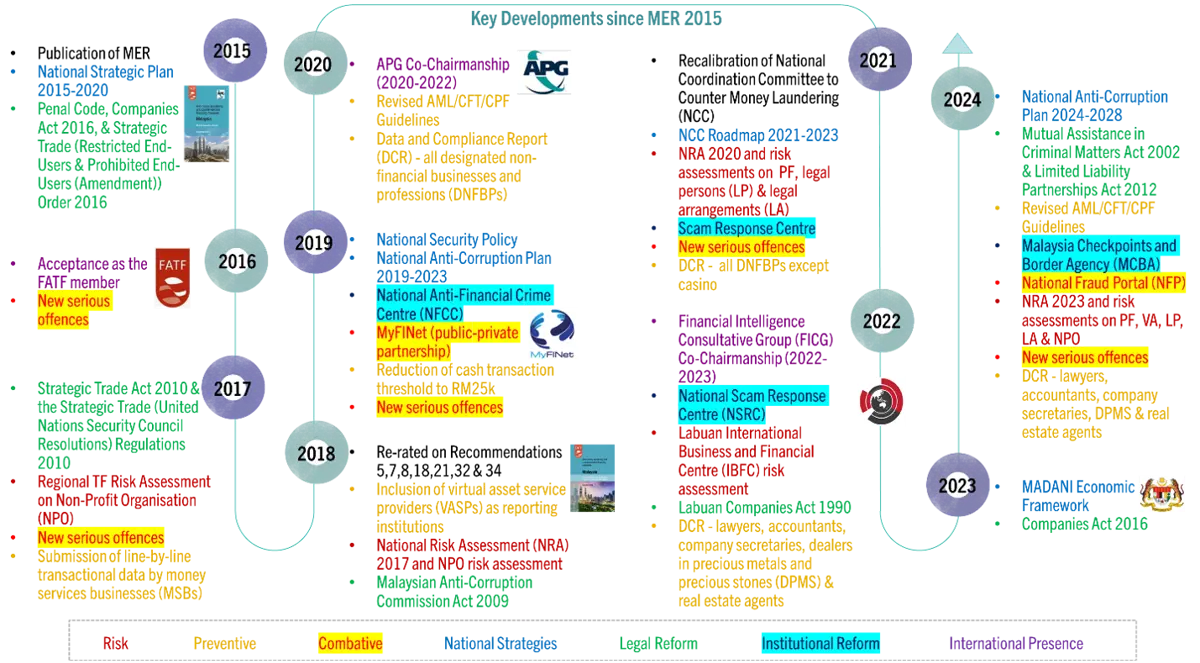
Figure 3: A Decade of Change, Progress and Strengthening Malaysia’s AML/CFT/CPF Institutions and Effectiveness
Part Three: The 2025 Assessment — A Marked Improvement
The key outcome of the 2025 MER is clear. Malaysia has been upgraded from “Enhanced Follow-Up” — the follow-up status[2] it had held since the 2015 assessment — to “Regular Follow-Up,” the highest category in the FATF follow-up framework.
This is a significant change. “Regular Follow-Up” is the status reserved for countries whose overall AML/CFT/CPF framework has reached a level of maturity where standard periodic monitoring is appropriate. It is the status held by jurisdictions whose financial crime governance frameworks are regarded by the international community as functioning at a credible level.
The upgrade reflects the collective efforts of multiple agencies, government departments, regulatory bodies, and private sector institutions working together over a sustained period.
The MER’s effectiveness ratings provide overall context behind the outcome. Malaysia achieved a Substantial level of effectiveness in six of the eleven IOs assessed:
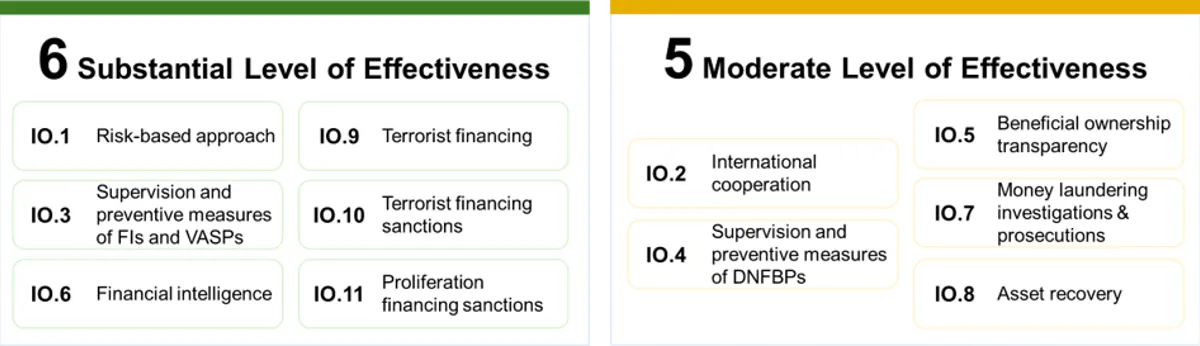
Figure 4: Malaysia’s MER 2025 Ratings Across 11 IOs
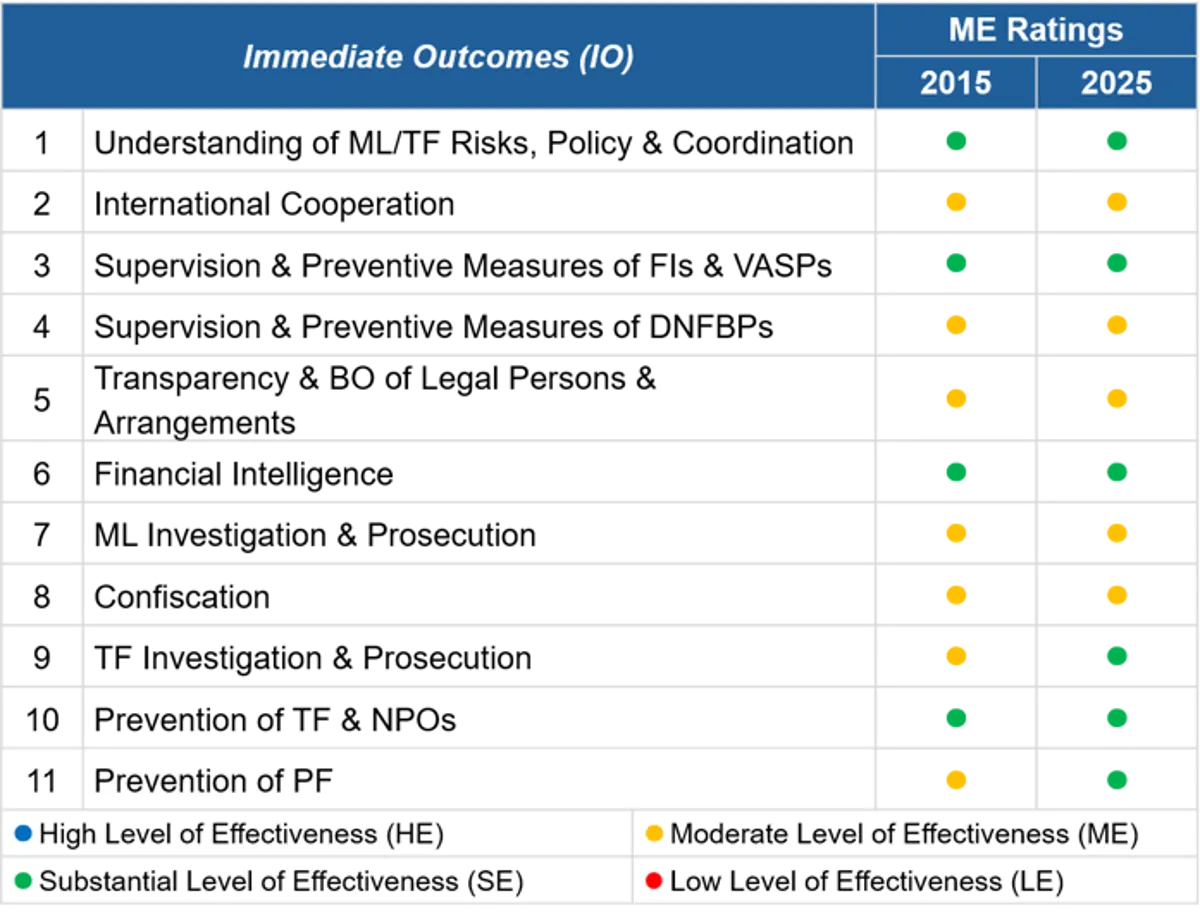
Figure 5: Comparison Between Malaysia’s 2015 and 2025 Ratings Across 11 IOs
On technical compliance with the 40 FATF Recommendations, Malaysia is rated Compliant with 24 Recommendations and Largely Compliant with 16. There are no Partially Compliant or Non-Compliant ratings — a substantial improvement from the 2015 baseline, which included Partially Compliant ratings on Recommendations 7, 24, and 25.
Technical Compliance — 40 Recommendations
FATF Recommendations
Figure 6: Malaysia’s MER 2025 Ratings Across 40 Recommendations
The MER also identified a series of structural strengths in Malaysia’s framework. These warrant a clear emphasis, using the assessors’ own terms, as they form the foundation on which further progress can be built.
Part Four: The Strengths the MER Recognised
A comprehensive and modern legal and institutional framework
The MER recognised Malaysia’s legal and institutional framework for combating ML/TF/PF as comprehensive and modern. The MER recognizes Malaysia’s robust domestic coordination and cooperation at both the policy and operational levels. The long-established NCC serves as the central body that brings together a broad range of stakeholders, including government agencies, regulatory bodies and competent authorities.
In addition, a key part of domestic coordination is the NFCC as the central coordinating agency bringing together the LEAs. The NSRC also plays an important role by enabling real-time intervention for fraud and scams. Further, the Multi-Agency Task Force (MATF), established under the leadership of the Attorney-General, had also strengthened Malaysia’s response to high-risk economic crimes by improving the identification of emerging threats, supported the dismantling of organised criminal networks and facilitated the recovery of substantial criminal proceeds.
The amended legislation — including the Penal Code, the Companies Act 2016, the Labuan Companies Act 1990, the Trustees (Incorporation) Act 1952, and the Trustee Act 1949 — provides a legal foundation that is broadly aligned with international standards and that addresses the most significant typologies of financial crime relevant to Malaysia’s risk profile. The beneficial ownership reporting framework now extends to legal arrangements. The supervisory and enforcement powers available to BNM, SC, and LFSA are extensive. The legal tools required to address financial crime exist. The legal foundation is, by international comparison, robust. The 2025 assessors noted that the legislative work undertaken over the decade has substantively closed many of the technical compliance gaps identified in 2015.
A sound and deep understanding of risks
The MER assessed Malaysia’s understanding of its ML, TF, and PF risks as sound and well-developed. The risk assessment methodology is rigorous, incorporating both quantitative and qualitative information across an extensive range of data sources. The 2023 NRA, supplemented by sectoral and thematic risk assessments, provides a granular and current picture of Malaysia’s threat landscape.
A strong understanding of risk is essential as it is the foundation on which all other elements of the AML/CFT/CPF framework are built. Supervisory prioritisation, investigative resource allocation, intelligence analysis, and policy development all depend on accurate, comprehensive, and current understanding of where the risks actually lie. The 2025 MER found that Malaysia has a good level of risk understanding. This represents a meaningful advance from the 2015 assessment, which had identified this area as requiring further development.
Robust domestic coordination and cooperation
The MER identified Malaysia’s domestic coordination and cooperation framework as a key strength. The NCC, established since 1999, supported by its subcommittee structure, brings together a wide range of stakeholders involved in Malaysia’s financial crime response. These include government agencies, regulatory bodies, LEAs, and prosecutorial body. The structured framework helps support both policy alignment and operational coordination.
The strength of this framework is not only in its design, but also in its effective implementation. The MER’s positive assessment reflects effective coordination among agencies. This includes the use of risk assessment findings to guide supervisory and investigative priorities, the operational coordination on priority cases, and the capacity to align responses to emerging risks across multiple agencies.
Significant asset recovery achievements
The MER acknowledged Malaysia’s significant achievements in asset recovery. Between 2019 and February 2025, Malaysia recovered approximately EUR 8.11 billion in assets. This figure places Malaysia in a small number of jurisdictions globally in terms of the scale of recovery achieved.
The largest share of this recovery, amounting to over EUR 6.08 billion, relates to 1MDB-related cases. This represents the most complex multi-jurisdictional financial crime enforcement effort in Malaysia’s history. The recovery includes over EUR 5.72 billion in misappropriated funds returned to Malaysia through coordinated action across multiple countries. These results reflect strong capabilities in cross-border asset tracing, international legal cooperation, and the prosecution of complex financial crime.
The remaining EUR 2.03 billion in non-1MDB recoveries relies more heavily on tax-based and administrative recovery mechanisms than on criminal confiscation. Still, it represents a meaningful enforcement record across a broader range of cases. The Inland Revenue Board of Malaysia’s (IRBM) role in this dimension reflects the practical use of available legal tools to deny criminals of their illicit gains.
Advanced financial intelligence capabilities
The MER recognised Malaysia’s financial intelligence capability as advanced. The FIU of Malaysia uses a sophisticated technical system, including the Financial Intelligence System (FINS). It also maintains direct electronic access arrangements with LEAs. The analytical outputs produced by the FIU were assessed to be consistently of high quality, supporting effective intelligence-led enforcement.
The “Substantial” rating on IO.6 reflects the effective use of the FIU’s intelligence in Malaysia. This includes the FIU’s ability to produce and disseminate actionable intelligence, its integration into law enforcement operations, and strong coordination with other LEAs. The number of ML investigations supported by FIU intelligence has roughly tripled compared to the 2015 baseline, to 2,648 cases in the review period. This reflects the broader and more effective use of financial intelligence across the system.
Substantial progress on countering terrorism financing and proliferation financing
The MER highlights substantial progress in Malaysia’s counter-terrorism financing and counter-proliferation financing frameworks. This is reflected in the “Substantial” ratings on all three relevant Immediate Outcomes (IO.9, IO.10, and IO.11).
The transformation of TF prosecution capacity is particularly significant. In 2015 MER, Malaysia had no TF prosecutions or convictions. Since 2019, it has secured seven TF convictions, with prison sentences ranging from 1.5 to 6 years. The structural pivot of TF investigatory responsibility within the Special Branch’s Counter Terrorism Division has produced focused operational capability that has translated into formal prosecutorial outcomes. The MER notes that further development of TF sentencing guidelines remains appropriate, but the categorical improvement from the 2015 baseline is clear.
The MER indicates that Malaysia now implements targeted financial sanctions (TFS) for both TF and PF promptly. This is supported by a sound legal framework and clear supervisory guidelines. The domestic designation regime under UNSCR 1373 is actively used in conjunction with TF investigations and prosecutions. The PF TFS framework is functioning at a “Substantial” level of effectiveness, supported by inter-agency coordination through the STAC structure.
A robust supervisory framework for financial institutions and VASPs
The MER recognises Malaysia’s supervisory framework for the financial sector, including VASPs, as functioning at a “Substantial” level. BNM, SC, and LFSA each have a clear understanding of the risks within their respective sectors and apply risk-based supervisory approaches. The licensing frameworks for FIs and VASPs include robust fit-and-proper assessments and integrity controls. Larger FIs and VASPs, particularly those that are part of international groups, demonstrate sophisticated risk understanding and apply appropriate AML/CFT/CPF mitigating measures.
Supervisors also show a sound understanding of risks in the VASP sector. This is supported by their contributions to the 2024 virtual asset risk assessment and the use of data-driven tools such as periodic questionnaires and entity-level risk ratings. These approaches allow supervisors to assess both inherent risks and the strength of controls, and to update risk profiles regularly in a fast-moving sector.
The supervisory framework for financial institutions, VASPs, and DNFBPs is supported by significant investment in technology. This includes the development of suptech and analytics platforms that enable risk-based prioritisation. Suspicious transaction reporting from regulated institutions has improved in both volume and quality. This, in turn, supports the FIU’s analytical function.
Part Five: The Areas Identified for Continued Strengthening
A balanced assessment of the 2025 MER also highlight areas where further work is required. The MER identifies thirteen Key Recommended Actions (KRAs) (see Figure 7) and alongside thirty-two Recommended Actions that together form a comprehensive reform agenda for the coming years.
The areas requiring continued strengthening are concentrated in five IOs that were assessed as having Moderate level of effectiveness:
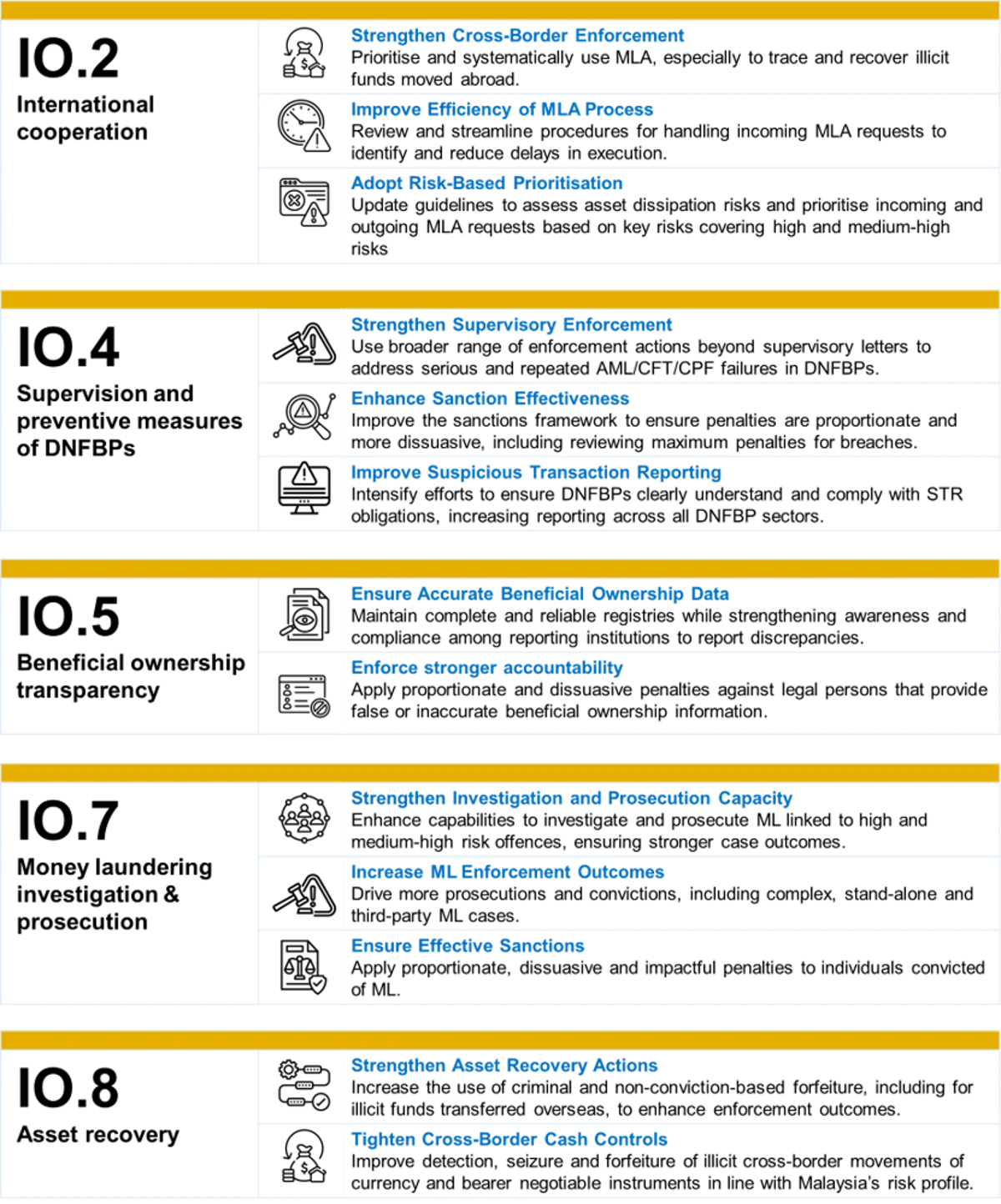
Figure 7: Five IOs that Received Moderate Effectiveness Ratings
A Moderate rating in the FATF framework does not denote a failing system. Rather, it reflects a system that is functioning, has made meaningful progress, and that requires further targeted improvements. Or simply, to use FATF technical terms — still requires major work. In several of these areas, the 2025 ratings represent substantial advances from positions that would likely have been assessed far more critically in 2015. But gaps remain — especially in law enforcement — these are recognised, and the Government has committed to addressing them.
Money laundering investigations and prosecutions
The MER notes that ML investigations have expanded substantially. They reached 2,648 cases over the review period, approximately three times the level in 2015. This reflects the broader and more effective use of financial intelligence, as well as the continued strengthening of investigative capability across multiple agencies.
However, stronger ML investigations have not yet translated into equally strong outcomes in court. Between 2019 and February 2025, Malaysia recorded 234 prosecutions and secured only 52 convictions (2015 MER: 132 prosecutions, 56 convictions). The MER identifies several underlying factors: difficulties in gathering evidence in complex financial crime cases, legislated time limits on investigations, gaps in prosecutorial expertise, and a systemic preference for compounds and tax-based recovery mechanisms over criminal prosecution.
The MER also notes that the breadth of ML prosecution remains less aligned with Malaysia’s risk profile than it should be. While prosecutions have been secured for self-laundering cases, the volume of stand-alone, third-party, and complex ML cases — including those involving legal persons and legal arrangements, or ML linked to foreign predicate offences — remains lower than would be expected, given the country’s risk exposure. It is important to note that the moderate effectiveness (ME) rating for IO.7 was not easily secured. At the earlier stages of the 2025 assessment, the assessment team had placed Malaysia at a “Low” level of effectiveness. The current ME rating reflects significant effort to address the identified gaps.
The KRAs in this area focus on strengthening capacity to investigate ML linked to medium-high risk predicate offences, demonstrating a sustained increase in the volume and complexity of prosecutions and convictions, and ensuring that sanctions imposed are effective, dissuasive, and proportionate.
Asset recovery
The MER acknowledges that Malaysia’s asset recovery achievements are significant in absolute terms. However, it identifies challenges in the breadth and structural composition of these recoveries. Higher recovery values, when compared with the previous assessment, are not sufficient to demonstrate effectiveness in this area. Asset recovery outcomes need to be more evenly distributed and better aligned with Malaysia’s risk profile, rather than being driven primarily by a single major case, such as 1MDB.
The EUR 8.11 billion recovered between 2019 and February 2025 is largely concentrated in 1MDB-related cases, which account for EUR 6.08 billion. The remaining EUR 2.03 billion in recoveries relies more on IRBM tax remedies than on criminal confiscation. Forfeiture outcomes for drug trafficking, organised crime, and smuggling — identified as high risk crimes in the NRA — are not yet proportionate to the level of criminal activity in these areas.
The KRAs on confiscation focus on increasing the use of criminal and non-conviction-based forfeiture across Malaysia’s risk profile, including in cases involving illicit proceeds moved abroad, and on strengthening the identification, seizure, and forfeiture of cross-border currency and bearer negotiable instruments.
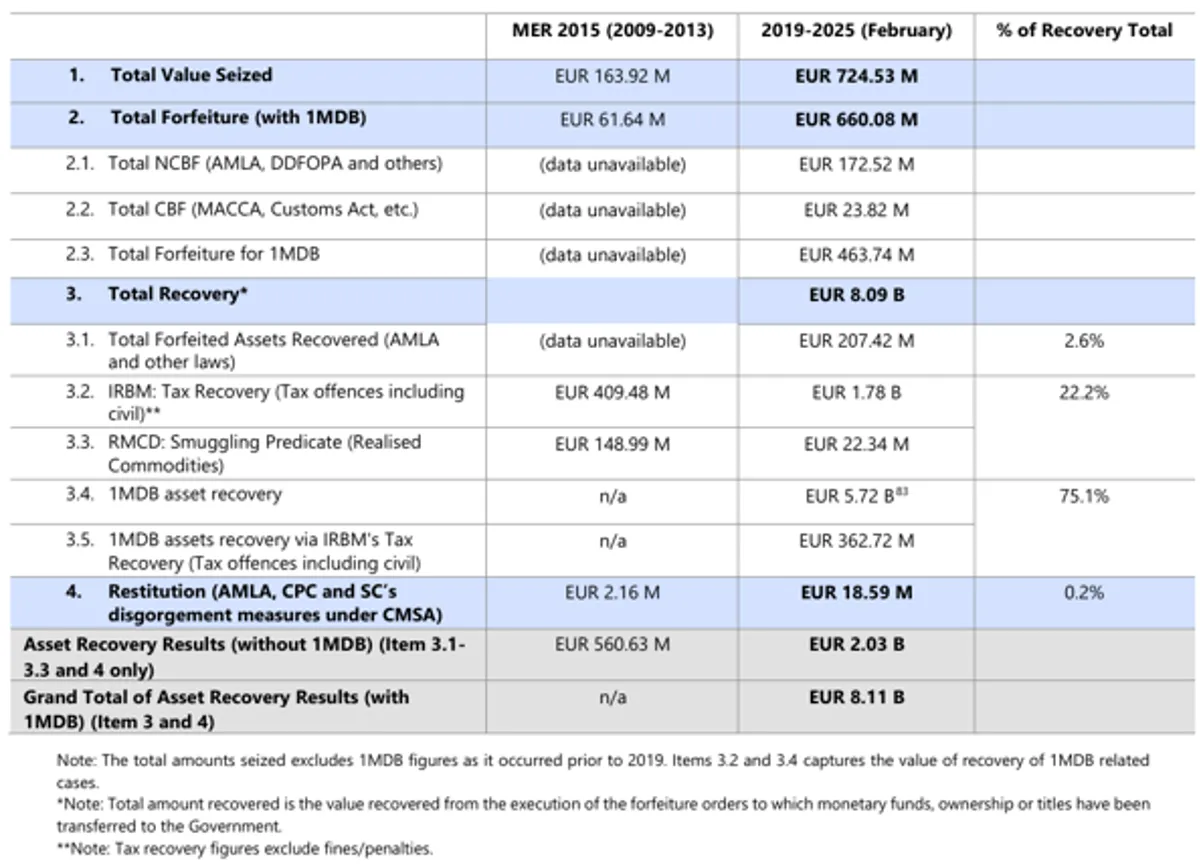
Figure 8: Asset Recovery Outcomes Since 2015
International cooperation
The MER recognises that Malaysia’s use of MLA has increased meaningfully since 2015. The country now engages more actively with foreign counterparts on ML, TF, corruption, and fraud matters. The introduction of the i-AGC case management system in December 2024 represents a structural improvement in MLA processing.
The areas for further strengthening, as encapsulated in the KRAs, include the broader and more proactive use of MLA in investigations and prosecutions involving high-risk predicate offences, the timely processing of incoming MLA requests, and the systematic pursuit of illicit proceeds that have been moved abroad.
Beneficial ownership transparency
The MER acknowledges Malaysia’s substantial legislative and institutional progress on beneficial ownership transparency, including the establishment of new beneficial ownership registries by the CCM and the LFSA, and the recent extension of the framework to legal arrangements through the 2025 trustee legislation.
The KRAs in this area focus on ensuring the accuracy of beneficial ownership information maintained in the registries, applying proportionate and dissuasive sanctions for false or inaccurate filings, and addressing the residual opacity associated with nominee arrangements.
Supervision and preventive measures of DNFBPs
The MER recognises that Malaysia’s supervisory framework for DNFBPs has been substantially developed. The casino, trust and company service provider (TCSP) sectors and larger DNFBPs demonstrate a strong level of risk awareness. The use of suptech — including analytics platforms, to identify higher-risk reporting institutions — has improved both supervisory efficiency and effectiveness.
The KRAs in this area focus on extending the depth of supervision to smaller DNFBP firms, applying the full range of available enforcement measures, rather than relying primarily on supervisory letters, and ensuring that sanctions are proportionate and dissuasive.
Part Six: The Path Forward
Following the publication of the MER, the NCC will develop and implement comprehensive national strategies and action plans to address the risks and recommendations set out in the report. This reflects an established approach. Over the past decade since 2015, Malaysia has shown that it can translate MER findings into structured reform programmes that deliver sustained institutional improvements.
The roadmap is now formalised and time-bound. Under the new FATF evaluation methodology, the thirteen KRAs carry specific completion expectations, and Malaysia will report to the FATF on its progress in 2029. This represents a more structured accountability framework than the post-2015 follow-up process and supports a more focused prioritisation of reform efforts.
The reform programme will be broad-based. The KRAs span multiple agencies within the NCC, including LEAs, supervisory authorities, SRBs, and private sector entities. Successful implementation will require a whole-of-nation approach, supported by coordination through the NCC, building on the model established during the post-2015 reform period.
The framework retains the capacity to evolve in response to changing risks. Financial crime risks evolve. New typologies emerge. Technology creates both new vulnerabilities and opportunities for response. Malaysia’s framework, having been built over the past decade with a focus on both compliance and effectiveness, has demonstrated the capacity to incorporate new requirements and respond to new risks. This adaptability will remain important in the years ahead, particularly in addressing increasing risks associated with virtual assets, cross-border digital flows, and emerging methods of trade-based money laundering.
Awareness among reporting institutions remains a key priority as a continued strengthening of compliance culture. The effectiveness of Malaysia’s AML/CFT/CPF framework depends not only on the work of regulators, investigators, and prosecutors, but also on the active engagement of FIs, DNFBPs, and other reporting institutions. The private sector constitutes the front line of defence against financial crime. Continued investment in guidance, awareness, training, and feedback for reporting institutions will support the further deepening of effectiveness across the system.
Public trust is a fundamental pillar of Malaysia’s financial system. The integrity of Malaysia’s financial system, and confidence in the institutions that protect it, are public goods that benefit every Malaysian. The MER highlights both Malaysia’s key strengths and areas that require further strengthening. These findings should be clearly communicated and widely understood. Transparent communication about the reform agenda, its objectives, and its progress is essential to sustaining public confidence. Such confidence is both a prerequisite for, and an outcome of, effective financial crime governance.
Closing Reflection
The journey from the 2015 MER to the 2025 MER demonstrates what sustained institutional reform can achieve. From a position of Enhanced Follow-Up status, with significant gaps in effectiveness across multiple dimensions, Malaysia has reached Regular Follow-Up status — the highest category in the FATF framework — through a decade of substantial legislative reform, institutional development, and operational change.
These achievements are substantive and have been recognised by the international community. The framework has been comprehensively strengthened. Risk understanding has been deepened. Coordination has been institutionalised. Financial intelligence has been modernised. Supervisory approaches have been transformed. Investigation and prosecution have been strengthened. The TF prosecution record has been built from a starting point of zero. Significant assets have been recovered, including through complex multi-jurisdictional cooperation.
The areas requiring further strengthening are also real and have been clearly identified. ML investigation and prosecution capacity, criminal confiscation deployment, the proactive use of international cooperation, the accuracy of beneficial ownership information, and the depth of non-financial sector supervision and preventive measures all require further development. The Government has accepted these findings and committed to a structured and coordinated response.
Both elements — achievements and the reform agenda — should be understood together in assessing where Malaysia stands. The 2025 MER is not a verdict. It is a snapshot of a system that has come a long way and still has further ground to cover. It recognises work that has been done and points to the work that remains.
At the same time, the FATF fifth round of ME is still at an early stage, with Malaysia among the first countries assessed under this new methodology. As more countries are evaluated, Malaysian authorities will have greater opportunities to learn how their foreign counterparts address similar risks and challenges. Drawing on these experiences and adopting proven practices can help further strengthen Malaysia’s framework and support more consistent and effective outcomes.
Future progress will also depend on continued cooperation across the AML/CFT/CPF framework. As the NCC Chair observed, no single agency can address financial crime alone. Regulators, LEAs, and reporting institutions, will need to work closely together to strengthen detection, analysis, enforcement, information sharing, and skills across the system.
For Malaysians, the ultimate measure of success is not defined by ratings in any international report, important though such ratings are. Rather, it is the integrity of the financial system that supports their daily lives, the credibility of the institutions that protect that integrity, and the contribution that effective financial crime governance makes to a more prosperous, more inclusive, and more secure national future.
This is the standard against which Malaysia’s ongoing reform efforts, in the period between this MER and the next, will be measured.
This document is prepared for public reference and is grounded in the official text of the 2025 FATF/APG MER of Malaysia, the 2015 APG MER of Malaysia, and publicly available official statements and documentation. Quoted statistics are drawn directly from the primary documents. All readers are encouraged to refer to the original reports available in the following links:
Malaysia's 2015 MER: Mutual-Evaluation-Report-Malaysia-2015.pdf
Malaysia's 2025 MER: mer-malaysia-2025.pdf.coredownload.inline.pdf
Press releases on MER 2025:
Abbreviations
Notes
[1] National Coordination Committee to Counter Money Laundering (NCC) refers to Malaysia's national inter-agency coordination mechanism responsible for overseeing policies, strategies and initiatives relating to AML/CFT/CPF. The NCC consists of 17 member agencies, chaired by the Deputy Governor of Bank Negara Malaysia.
[2] There are three tiers of follow-up categories i.e. Regular Follow-up, Enhanced Follow-up and Referral to the International Cooperation and Review Group (ICRG).
Adakah halaman ini membantu ?
Bantu kami menambah baik halaman ini dengan berkongsi maklum balas anda.